Getting Comfortable in Meditation


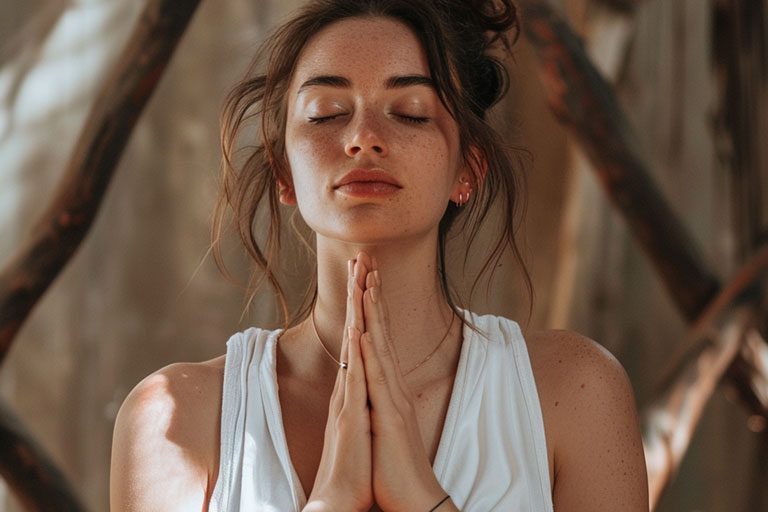 The Importance of Choosing the Right Meditation Cushion
La méditation, un véritable voyage intérieur, nécessite non seulement de la discipline et de la pratique, mais aussi une assise confortable pour en tirer tous les bénéfices. Parlons aujourd’hui d’un des éléments les plus essentiels pour réussir sa pratique : le coussin de méditation.
Why is a meditation cushion essential?
Vous pourriez vous demander pourquoi ne pas s’asseoir juste sur un tapis de méditation ou une chaise ordinaire. Le confort et la posture sont des facteurs cruciaux pour une méditation réussie. Un bon coussin de méditation permet de maintenir une position assise ergonomique, en élevant les hanches au-dessus des genoux. Cela aide à réduire la tension dans le bas du dos et à éviter les douleurs qui peuvent interrompre vos séances.
Benefits of a suitable cushion
1. Comfort:
L’un des plus grands défis de la méditation assise est de maintenir une posture immobile pendant une période prolongée et de façon détendue. Un zafu de méditation de qualité offre un soutien ferme, permettant à votre corps de se détendre sans inconfort.
2. Posture:
A good posture with a straight back is essential for deep, regular breathing, as well as for optimal energy circulation along the axis of the spine. The cushion helps to tilt the pelvis slightly forward, aligning the spine and facilitating better energy circulation. Hips and legs will also be more relaxed.
3. Stability:
Une base stable est fondamentale pour éviter les distractions. Un coussin de méditation en laine, par exemple, vous offre cette base stable, permettant de se concentrer pleinement sur votre méditation.

How to choose your meditation cushion
Quand vient le moment de choisir le coussin de méditation ou zafu idéal pour vos séances, plusieurs facteurs sont à considérer:
1. Form:
There are different shapes, such as round cushions, half-moon cushions or even meditation benches. Each shape offers different types of support and can be chosen to suit your preferences.
2. Filling:
Kapok, spelt or buckwheat are common options for filling cushions. Each material offers a different density and firmness to suit your needs.
3. Height:
The height of the cushion also influences comfort. If you have open hips, a low cushion may be all you need for comfort. Otherwise, a higher cushion is preferable to keep your knees below your hips, which improves posture.
En fin de compte, le choix du bon coussin de méditation peut transformer votre expérience méditative. En investissant dans un coussin de qualité, vous vous assurez non seulement du confort mais aussi de la durabilité, améliorant ainsi votre pratique. N’oubliez pas de visiter votre shop de yoga pour découvrir une variété de accessoires yoga qui peuvent rendre vos séances encore plus agréables. Chez Yoga Nest, nous vous déconseillons de vous asseoir sur un bloc plutôt qu’un coussin de méditation. En effet, sa densité et ses arrêtes auraient tendance à couper la circulation sanguine dans vos jambes et créer des fourmillements. Si vous avez seulement une brique ou bloc de yoga, placez alors une couverture de yoga entre le bloc et vos fessiers. Tout en étant différent, un bolster peut faire l’affaire au moins ponctuellement pour remplacer un véritable coussin de méditation. Par exemple, en posture Seiza, placez le bolster dans la longueur du tapis et s’asseyez vous dessus à califourchon. Vos hanches seront ainsi plus hautes et la pression sur vos bas de jambes et chevilles sera moindre.
Different meditation positions
When you start meditating, choosing the right position can make all the difference. There is no single perfect position; it all depends on what feels most comfortable to you and allows you to reach a state of deep relaxation. Let’s explore some of the most popular meditation positions and discover how they can enrich your practice.
Lotus Position
The Lotus position (Padmasana) is probably the most famous and often associated with meditation. This classic position involves sitting cross-legged with the feet resting on the opposite thighs. Although this position is aesthetic and symbolic of meditation, it can be difficult to maintain for beginners or those with less natural flexibility. For more comfort, consider using a meditation cushion to elevate your hips and support your knees without tension, or explore other positions.
Half-Lotus Position
If the full Lotus position is a bit too ambitious for you, the Half-Lotus (Ardha Padmasana) could be an ideal alternative. In this position, you place one foot on the opposite thigh and let the other foot rest under the thigh. This reduces tension on the knees and hips while providing a stable seat. Again, a meditation cushion can improve comfort. And we advise against adopting these postures if you feel they are not suitable for your physical body. Forcing it is counterproductive and can lead to injuries.
Seiza Position
The Seiza position is a traditional Japanese posture where you kneel, with your glutes resting on your heels. Using a meditation bench or cushion under your glutes can relieve pressure on your knees, insteps, and ankles, by spreading your lower legs and feet a little if necessary. This position is ideal for those who are less comfortable with crossed legs, or for changing positions from time to time. Alternating external hip rotations (crossed legs) and internal rotations (Seiza or Vajrasana) is very beneficial for the hips.
Simple Cross-Legged Position
Pour ceux qui préfèrent quelque chose de simple et confortable, la position en tailleur (Sukhasana) est une excellente option. Asseyez-vous simplement avec les jambes croisées et les pieds reposant sous les genoux opposés. Utiliser un zafu de méditation pour élever légèrement vos hanches peut améliorer le confort et aider à maintenir une bonne posture vertébrale. Le risque dans cette posture si on s’assoit directement sur le sol est que les lombaires s’arrondissent vers l’arrière, entraînant une fatigue du dos, une fermeture de la poitrine et une respiration incomplète.
Meditating in a Chair
Finally, if sitting on the floor isn’t for you, meditating while seated in a chair can be just as beneficial. Just make sure your feet touch the floor and your back is straight. Try not to lean completely against the chair back; just feel it’s there behind you and keep your back straight—this will prevent you from dozing off… The same applies if you sit against a wall. You can use a zafu meditation cushion or a pillow to support your back and maintain proper posture. Lastly, we advise against lying down to meditate, as a nap would almost certainly take over. Undoubtedly beneficial, but not for the same purpose…
Setting up a dedicated meditation space
A quiet space dedicated to your meditation practice can greatly enhance your sessions. The key is to create an environment that soothes and inspires. Here are some tips:
Choosing the right place
Find a place in your home where you won’t be disturbed. This could be a small room, a quiet corner in your living room, or even an outdoor space.
Decoration and ambiance
Ajoutez quelques éléments décoratifs qui vous apportent de la sérénité. Un tapis de yoga épais, des coussins, et peut-être un bouddha si cela a du sens pour vous ou des plantes peuvent rendre votre espace plus invitant.

Techniques to improve concentration and comfort
There are several techniques you can incorporate into your practice to improve your concentration and comfort.
Breathing
Conscious breathing is a powerful technique to calm your mind and focus your attention. Concentrez-vous sur chaque inspiration et expiration, en respirant profondément et lentement.
Body scan
The body scan is an effective method for releasing tension. Start from your head and move down to your feet, becoming aware of each part of your body and releasing any tension you feel.
The benefits of regular practice
Practicing meditation regularly can bring many benefits to your daily life.
Stress Reduction
Regular meditation can significantly help reduce stress by bringing a sense of calm and relaxation.
Improved concentration
Meditation strengthens concentration, which can be beneficial in many aspects of life, from work efficiency to the quality of interpersonal relationships.
Complementary accessories for successful meditation
In addition to the meditation cushion, various accessories can enrich your practice.
Meditation mat
A meditation mat provides a comfortable and stable base for sitting.
Singing bowl and sound therapy instruments
Un bol chantant ou des instruments intuitifs tels que le Carillon ou le Kalimba peuvent contribuer à créer une atmosphère apaisante avec leurs sons et vibrations sonores.
Incense and candles
Burning incense, Palo Santo, or lighting a candle can add an inspiring olfactory dimension to your practice, contributing to a serene atmosphere.

Tips for maintaining a consistent practice
Meditating regularly requires discipline and motivation.
Establish a routine
Choose a time of day that best suits your schedule and stick to it. This could be in the morning upon waking or in the evening before bed.
Propose personal challenges
Set personal challenges to stay motivated. For example, meditate every day for 30 consecutive days.
Common mistakes to avoid during meditation
Learning meditation involves accepting and overcoming certain common mistakes.
Over-analysis
One common mistake is over-analyzing the thoughts that cross your mind. Let them pass without judgment.
Distractions
Distractions are inevitable, but getting caught up in them will only lead to frustration. Gently return to your point of focus without judging yourself.
Discomfort
If you experience physical discomfort that bothers you and channels your attention, adjust your position and use accessories like cushions and mats to improve your comfort. Then gently bring your attention back to the practice. And above all, don’t overthink it, let go of the goal of “thinking about nothing”; it’s counterproductive, impossible, and completely opposite to one of the precepts of meditation, which is to have no expectations and to observe what is present! By following these tips and integrating these practices, you can comfortably settle into meditation and fully enjoy the benefits of this ancient discipline.
| Points | Description |
|---|---|
| 1. The importance of choosing the right meditation cushion | Comfort, posture, stability |
| 2. The different meditation positions | Lotus, half-lotus, seiza, etc. |
| 3. Setting up a dedicated meditation space | Quiet place, decoration, ambiance |
| 4. Techniques to improve concentration and comfort | Breathing, body scan, visualization |
| 5. The benefits of regular practice | Stress reduction, improved concentration |
| 6. Complementary accessories for successful meditation | Mat, singing bowl, incense |
| 7. Tips for maintaining a consistent practice | Routine, motivation, finding time in the day |
| 8. Common mistakes to avoid during meditation | Over-analysis, distractions, discomfort |
Conclusion
Prenez ce moment pour vous, installez-vous confortablement – ce n’est pas la posture parfaite qui importe, mais votre présence à chaque instant. Chaque fois que vous vous asseyez pour méditer, vous offrez à votre corps, à votre esprit et à votre souffle un véritable espace de douceur. Avancez avec bienveillance envers vous-même, et laissez la pratique vous ancrer, vous apaiser et vous relier à l’essentiel.